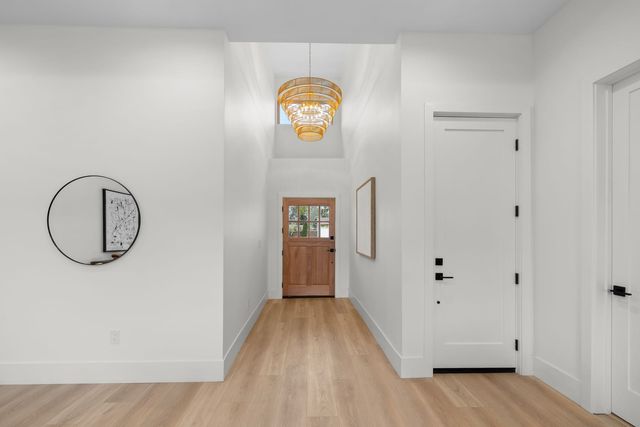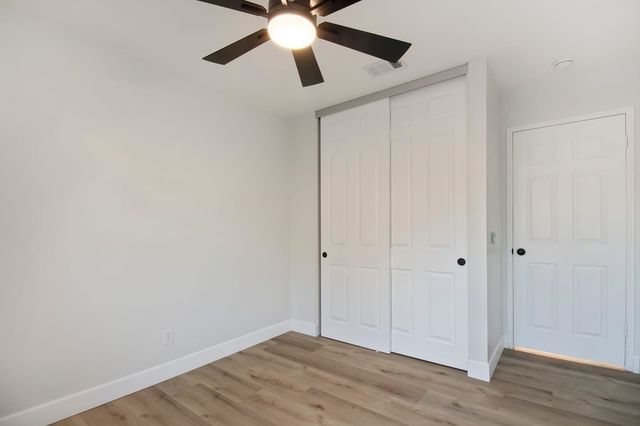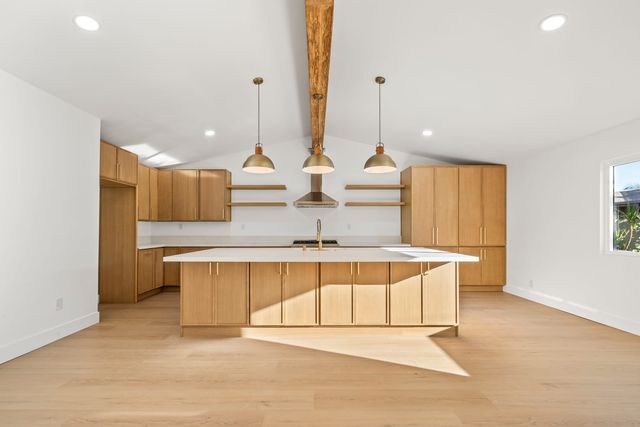
Legalizing a garage conversion as an ADU means applying to your city or county building department for a permit for the unit that already exists, letting an inspector see it, making the corrections the inspector requires, and getting a final sign-off that puts the space on record. California law now makes that path more open than it was: an ADU application is reviewed ministerially, without a discretionary hearing, and a conversion built before January 1, 2020 generally cannot be denied just because it misses building standards or local ADU rules, unless a fix is needed for health and safety. What it costs, and whether it pays before a sale, depends on what your conversion needs.
This article walks the process step by step for an owner who may sell. It is part of our unpermitted additions and converted garages hub. For whether legalizing is worth it at all, start with what unpermitted additions cost and how to decide.
Is a converted garage already an ADU?
No. A garage turned into a bedroom or a small unit without a permit is unpermitted space, whatever it looks like inside. It becomes an accessory dwelling unit only when the city or county approves it as one. The same is true of a back house or a converted workshop. Until then, appraisers, lenders and buyers treat it as space the record does not show.
A converted garage does not have to become a separate unit, either. Some owners legalize the space as part of the main house instead, as a bedroom or family room. The ADU route matters because the state's ADU law, now Government Code sections 66310 to 66342, gives that route protections a plain room addition does not get. Your building department can tell you which route fits your conversion.
The process, step by step
- Find out what is on record. Ask the building department for the permit history of the address, and compare the assessor's recorded square footage with the house as it stands. In the post-war tracts south of Holt Avenue in Pomona or north of Foothill Boulevard in Claremont, the record usually still shows a garage.
- Pin down when the conversion was built. The January 1, 2020 date decides which rules apply. Old photos, prior disclosure statements, a prior appraisal or utility records can help. Ask the department what evidence it accepts.
- Consider a private inspection first. Government Code section 66311.7 requires local agencies to tell homeowners they may get a confidential third-party code inspection from a licensed contractor before applying, to learn the unit's condition and the likely scope of work. That report stays with you, and it is the best early read on cost.
- Prepare plans and apply. Most departments want drawings of the unit as built plus any proposed changes. The application is for an ADU permit on an existing structure.
- Completeness review, then a decision. Under Government Code section 66317, the permitting agency must tell you in writing whether the application is complete within 15 business days, and must approve or deny a complete application within 60 days when there is an existing house on the lot. If it does not act in time, the application is deemed approved. A denial must come with a written list of what is deficient and how to fix it, and there is an appeal process. Those are the agency's deadlines, not the length of your project: plans, corrections and inspections take their own time.
- Inspection and corrections. For a pre-2020 unit, section 66311.7 lets the inspector recommend what is needed to meet health and safety standards, and bars the agency from penalizing you for having had the unpermitted unit. It must approve the permits needed to correct the problems.
- Final sign-off. When the work passes, the permit is finaled and the space is on record. That record is what a future buyer's lender and appraiser will look for.
What the city can no longer require
Government Code section 66314 sets the maximum standards a local ADU ordinance may impose. Several of them change the arithmetic for a garage conversion:
- No replacement parking. When a garage or carport is converted to an ADU, the agency cannot require the lost parking spaces to be replaced.
- No new setback for the existing structure. A garage converted in the same location and to the same dimensions does not have to meet a setback.
- No fire sprinklers unless the main house needs them. The ADU cannot trigger sprinklers in the existing house either.
- No owner-occupancy rule. Section 66315 says no standard beyond section 66314 may be imposed, including an owner-occupant requirement, though the agency may require rentals of 30 days or longer.
- No impact fees for an older unit. Under section 66311.7, an owner permitting a unit built before January 1, 2020 does not pay impact fees or connection or capacity charges, except where utility work is needed for health and safety and the fee is otherwise authorized.
What it can still require
Legalizing is not a rubber stamp. Section 66311.7 still lets an agency deny a permit when correcting a violation is necessary to meet the health and safety standards in Health and Safety Code section 17920.3, the statute that defines a substandard building, and the protection does not apply to a building already deemed substandard. Section 66314 also lets an agency change the occupancy classification of a space that was only permitted for non-residential use, which describes most garages, so the inspector may apply the code for living space.
On a garage built to park cars, the items that tend to come up are the ones on our walkthrough list: how the old door opening was closed in, ceiling height, windows and a second way out, the electrical feed, any added bathroom or kitchen and where it drains, heat, and insulation. Your building department, not this article, decides what your unit needs.
If the city has already sent a notice
If you received a notice to correct a building standard on an ADU built before January 1, 2020, Government Code section 66331 and Health and Safety Code section 17980.12 give you a right to ask for a delay in enforcement. The enforcement agency grants the delay, for five years, when it finds that correcting the violation is not necessary to protect health and safety, and it stops accepting new requests on January 1, 2030. A delay is not a permit. The space is still unpermitted for a buyer's lender, and you still disclose the notice and the work when you sell. Talk to the building department or an attorney about your notice.
Unincorporated land follows the county
Which office you apply to depends on where the line runs, not on your mailing address. San Antonio Heights has an Upland address but is unincorporated San Bernardino County land, so permit history and code questions there go to the county, not the City of Upland. Read our Upland notes before you call the wrong counter.
Does legalizing pay before you sell?
Sometimes clearly yes. When the conversion was built well, the corrections are modest, and a permitted unit or bedroom would count in the comparable sales on your blocks, legalizing and then listing can net more than any as-is sale. That is the condition under which the open market wins, and the written recommendation says so when it applies.
Sometimes no. When the inspection is likely to open walls, the electrical or drainage needs real work, someone is living in the unit, or the sale has a deadline, the months of carrying cost can eat what the permit adds. A buyer's appraiser will also need to see that the legal space is valued in your market; the reasons are in why appraisers cannot count unpermitted living area.
After one walkthrough, you get two written numbers on the same house. The cash purchase offer prices the conversion as it exists, with the deduction for the missing permit on its own line. The open-market read, a preliminary estimate, not an appraisal, shows the disclosed as-is listing and, where it matters, the legalized house minus the cost and time to get there. Whatever you choose, the work still has to be described to your buyer; see disclosing unpermitted work to a buyer.
What this looks like in practice
These are the kinds of files that come in, described without names or figures.
- A South Pomona tract house with a garage bedroom built long before 2020, where the owner wanted to know whether a permit would pay before listing. See our Pomona notes.
- A North Claremont ranch house with a converted garage and an original electrical panel, where the panel was the larger question. See our Claremont notes.
- A San Antonio Heights house with unpermitted work, where the first step was learning that the county, not the city, held the file.
Next step
If you are weighing a permit against a sale, see how we handle houses with unpermitted additions, or call (909) 498-3977. There is no cost and no obligation to get the two numbers and the written report.
Sources
- California Government Code section 66311.7 (unpermitted ADUs built before January 1, 2020), accessed October 31, 2026
- California Government Code section 66314 (ADU ordinance standards), accessed October 31, 2026
- California Government Code section 66315 (no additional standards; owner occupancy), accessed October 31, 2026
- California Government Code section 66317 (ministerial review and deadlines), accessed October 31, 2026
- California Government Code section 66331 (delay in enforcement), accessed October 31, 2026
- California Health and Safety Code section 17980.12 (request to delay enforcement), accessed October 31, 2026
- California Department of Housing and Community Development: accessory dwelling units, accessed October 31, 2026
- San Bernardino County Countywide Plan: San Antonio Heights (unincorporated), accessed October 31, 2026
Mr. Cali Offers does not give legal or permitting advice; permit, code and ADU questions are decided by the city or county building department. Cash offers come from independent buyers and investors who buy for their own account and may resell for profit; a cash offer is generally below what the open market would bring. Any value shown is a preliminary estimate, not an appraisal. Nothing here is legal, tax or financial advice.
Frequently asked questions
Can a city deny a permit for a garage converted to a unit before 2020?
Only in limited cases. Government Code section 66311.7 bars a local agency from denying a permit for an unpermitted ADU built before January 1, 2020 just because it violates building standards or local ADU rules. The agency can still deny when a correction is needed to meet the health and safety standards in Health and Safety Code section 17920.3.
Does the city make me replace the parking when I legalize a garage as an ADU?
No. Government Code section 66314 says that when a garage, carport or covered parking structure is converted to an accessory dwelling unit, the local agency cannot require the lost off-street parking spaces to be replaced.
How long does the city have to decide an ADU permit application?
Under Government Code section 66317, the agency must say within 15 business days whether the application is complete, and must approve or deny a complete application within 60 days when a house already stands on the lot, or it is deemed approved. Plans, corrections and inspections add their own time to the project.
Should I legalize a garage conversion before selling?
It depends on the house. Legalizing tends to pay when the conversion was built well, the fixes are modest and a permitted unit or bedroom counts in nearby sales. It tends not to pay when the work is extensive, the unit is occupied or the sale has a deadline. Two written numbers on the same house show which applies.
Written by
Anthony Grynchal
Anthony Grynchal is a California real estate salesperson with eXp Realty, licensed since November 2009 (CA DRE #01873626), and the owner of Mr. Cali Offers.
More about AnthonyPublished