A post-war ranch house in Claremont is priced as-is from a short, predictable list: the original electrical panel, galvanized water supply lines, a garage that was turned into living space, and the age items any house of that era carries, such as the roof and the sewer line. Each one is written as its own line on the offer sheet and checked against what renovated and original houses in the same tract actually sold for. You do not have to fix any of it to sell. You do still have to disclose what you know about it.
This catalogue is part of As-Is Sales in Claremont. The whole as-is picture, from what stays to what you net, is in selling a Claremont house as-is.
Where Claremont's ranch houses are, and why they share a list
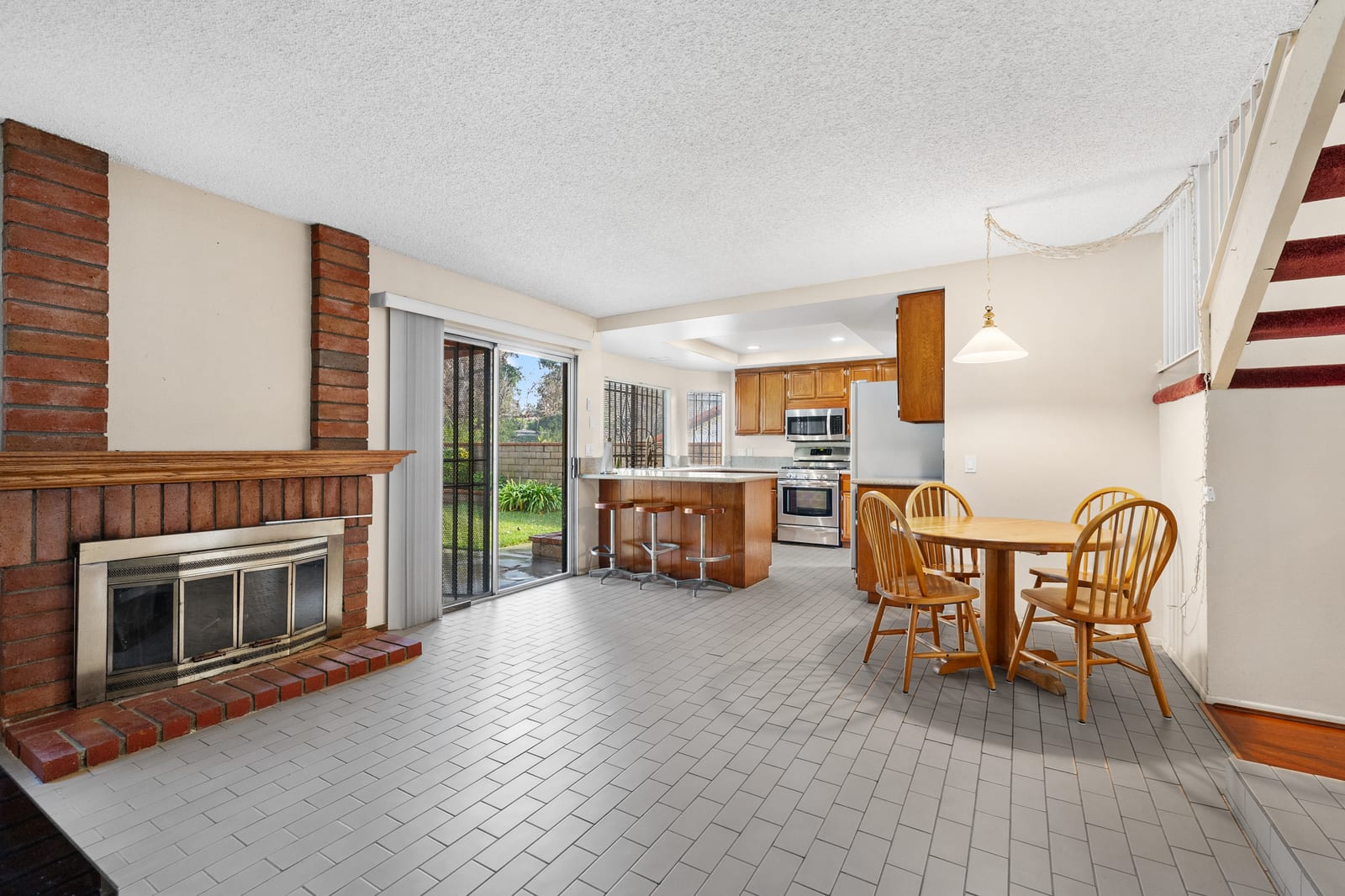
Claremont Heritage describes how the post-war years turned the citrus groves below the railroad tracks and above Foothill Boulevard into housing developments, and why the ranch house won. It was usually one story, laid out horizontally on a wide lot, with a one- or two-car garage toward the front, and builders put the tracts up on relatively flat land using assembly-line methods. Today the city north of Foothill Boulevard is still mostly post-war and 1960s single-story ranch tracts. South of the 10 freeway there is a second band of 1950s to 1970s tracts, mixed with townhomes and condominiums.
Assembly-line building is why a catalogue works at all. Houses in one tract went up from a few plans, at the same time, with the same materials, so decades later they tend to age in the same places. A buyer who has walked one house on a North Claremont street already has a fair idea of what the next one holds. That is also why a fair offer on your house should be built from sales on your own tract, not from a countywide average or from a Village bungalow a mile away.
One more note from the same source: on a page dated 2013, Claremont Heritage observed that many of the city's tracts were approaching 50 years of age, the point at which they could become eligible for the National Register of Historic Places. Eligibility is not the same as listing. If a buyer is planning a second story or a new street face, the question of whether anything about a particular property is listed or eligible belongs with the city's planning staff, not with an assumption either way.
The three items that recur on North Claremont walkthroughs
Original electrical panels, galvanized supply lines and converted garages are the items that come up again and again on walkthroughs of the ranch tracts north of Foothill. They are the core of this catalogue.
1. The original electrical panel
What it is. The service panel the house was built with, or an early replacement. It may have been sized for the loads of its decade rather than for central air, a remodeled kitchen or a car charger.
What a buyer looks at. The panel's make and apparent age, fuses or breakers, any sign of heat or overloading, how many circuits feed the kitchen and garage, and whether a later upgrade shows up in the city's permit records.
How it is priced. As a replacement line. An investor plans for a new panel regardless, and a financed buyer's inspector may flag an old one. The open-market read then asks the real question: did houses in the same tract with a replaced panel sell for enough more to cover it?
2. Galvanized water supply lines
What it is. Zinc-coated steel water pipe, common in houses of this period. It corrodes from the inside over time, which narrows the flow and eventually leaks.
What a buyer looks at. Pressure at the farthest fixtures, discolored water, pipe visible in the garage or at the water heater, and any partial re-pipe, including whether it was permitted.
How it is priced. As a re-pipe line, partial or whole-house, depending on what the walkthrough sees. If a previous owner already re-piped part of the house, the line should say so and shrink. One legal detail travels with plumbing: under Civil Code 1101.4, permitted alterations to a single-family house require replacing noncompliant plumbing fixtures before final permit approval, and every seller must disclose in writing whether the house has noncompliant fixtures.
3. The converted garage
What it is. Claremont Heritage calls the one- or two-car garage the most typical feature of the suburban ranch. Many have since become a bedroom, a family room or a rental, some with permits and some without.
What a buyer looks at. Whether the conversion was permitted and finaled, how it is heated, wired and plumbed, ceiling height, and where the cars now go.
How it is priced. A permitted conversion is counted as the space it is. An unpermitted one is priced as it exists: as space a buyer would have to legalize, or as a garage to put back. Enclosed porches, back houses and garage conversions are the items that shorten appraisals on financed Claremont sales, because appraisers cannot count unpermitted living area as legal square footage. The City of Claremont's Building and Construction page links to a search of archived permits, and looking up your permit history walks through it.
The age items checked on every ranch house
These are not a Claremont pattern. They are simply what a house built in the post-war decades is old enough to need checked, and each one is priced only if the walkthrough finds a problem:
- The roof, its age, layers and any active leak.
- The water heater and its venting and bracing.
- Heating and cooling, including whether ducts were ever replaced.
- The sewer lateral from the house to the street main, where older lines can crack or fill with roots.
- Drainage and the foundation, read from cracks, doors that stick and water at the perimeter.
- Windows and doors, which matter more to an owner-occupant than to an investor.
How each line is priced on the offer sheet
ItemWhat the walkthrough recordsHow a cash offer prices itWhat the open-market read checksLine
Original panel
Make, age, capacity, permit record
Replacement line
Whether replaced-panel houses in the tract sold higher
-
Galvanized supply lines
Pressure, visible pipe, any partial re-pipe
Partial or whole-house re-pipe line
Whether a financed buyer's inspector would stop on it
-
Converted garage, unpermitted
Use, systems, permit search result
Legalize or restore, whichever the buyer plans
Appraised legal area vs. the space you use
-
Converted garage, permitted
Final permit in hand
Counted as living area
Counted as living area
-
Roof, sewer lateral, other age items
Only what is actually found
A line per finding, or none
Whether it would come back as a repair request
-
Two rules keep the table honest. Each item is priced once, never both as a repair line and again inside a lower as-is value. And the comps have to match the condition: an offer built from renovated comps then takes repair lines, while one built from original-condition comps should take fewer. How condition changes a comp covers that adjustment in detail.
What as-is does not change: the disclosures
Selling a ranch house as-is changes who pays for the panel. It does not change what you tell the buyer. Civil Code 1102 applies California's transfer disclosure rules to most sales of single-family residential property and says any waiver of them is void. Section 1102.6 sets out the Real Estate Transfer Disclosure Statement, and section 1102.8 adds that the listed items do not limit any other duty to disclose that exists to avoid fraud or misrepresentation. So if you know the panel trips, a supply line leaked inside a wall, or the garage was converted without a permit, it goes on paper whether you sell for cash or list. Section 1102.2 exempts some transfers, including certain sales by a fiduciary administering a trust or estate; whether yours qualifies, and what else you owe, are questions for a real estate attorney. What as-is means in a California purchase contract covers the contract side.
When fixing a ranch item first nets more
Selling with the list intact is not always the better number. Repairing first and listing tends to net more when:
- The house has one item from the catalogue, not three, and it is the kind a financed buyer's lender or inspector would stop on, such as the panel or a leaking supply line.
- Your licensed contractor's bid, permit included, is well under the line the cash sheet takes for the same item.
- Sales in your tract show updated ranch houses going to owner-occupants for clearly more than original ones.
- You have the time and cash to carry the house through the work, the listing and escrow.
When those line up, the written recommendation says to list, and you are introduced to a designated local expert who works your blocks. Mr. Cali Offers does not list houses. The repair-first or sell-as-is worksheet puts your bids next to the offer's lines, and credits vs. repairs covers what happens when a buyer's inspection reopens the list.
What this looks like in practice
These are the kinds of files that come in, described without names or figures.
- Heirs to a long-held North Claremont ranch house with an original panel and a garage bedroom nobody can remember permitting.
- A South Claremont tract house where a prior owner re-piped the kitchen side only, so the plumbing line covers half the house.
- An owner who replaced the roof a few years ago and wants to know whether that shows up in the number. It should, as a line that is not there.
Next step
Get both numbers on the house as it stands before you schedule any work. Start with selling your house as-is or call (909) 498-3977. City facts are on the Claremont page. There is no cost and no obligation to get the two numbers and the written report.
Sources
- Claremont Heritage, Architecture (post-war ranch tracts and Claremont's housing styles): claremontheritage.org, accessed November 6, 2026
- California Civil Code section 1102 (scope of the disclosure article; waiver void), text read on California Public Law: california.public.law, accessed November 6, 2026
- California Civil Code section 1102.2 (transfers exempt from the article), text read on California Public Law: california.public.law, accessed November 6, 2026
- California Civil Code section 1102.6 (the Real Estate Transfer Disclosure Statement), text read on California Public Law: california.public.law, accessed November 6, 2026
- California Civil Code section 1102.8 (other disclosure obligations not limited), text read on California Public Law: california.public.law, accessed November 6, 2026
- California Civil Code section 1101.4 (noncompliant plumbing fixtures: replacement on permitted alterations and seller disclosure), text read on California Public Law: california.public.law, accessed November 6, 2026
- City of Claremont, Building and Construction (permit applications, permit status and archived permit search): claremontca.gov, accessed November 6, 2026
- City of Claremont, Building Permits and Plan Checks (when permits are required): claremontca.gov, accessed November 6, 2026
Cash offers come from independent buyers and investors who buy for their own account and may resell for profit; a cash offer is generally below what the open market would bring. Any value shown is a preliminary estimate, not an appraisal. Nothing here is legal, tax or financial advice.
Frequently asked questions
What condition items come up most on Claremont ranch houses?
On the post-war and 1960s ranch tracts north of Foothill Boulevard, the recurring walkthrough items are original electrical panels, galvanized water supply lines and garages converted to living space. Roofs, sewer laterals and other age items are checked on every house and priced only when a problem is found.
Do I have to replace an original panel or galvanized pipe before selling a Claremont ranch house?
No. In an as-is sale each item is written as its own line on the offer sheet, and the open-market read shows whether replacing it before listing would return the cost. You still have to disclose what you know about the panel and the plumbing.
How is an unpermitted garage conversion priced on a Claremont ranch house?
As it exists. A cash buyer prices it as space to legalize or a garage to restore, whichever they plan. On a financed sale, an appraiser cannot count unpermitted area as legal living space, which can shorten the appraisal. The City of Claremont's archived permit search shows whether a conversion was permitted.
When does repairing a ranch house before listing net more than selling as-is?
Usually when only one item is on the list, it is one a financed buyer's lender or inspector would stop on, your licensed bid is well under the offer's line for it, and you can carry the house through the work and the listing. Then the written recommendation is to list.
Written by
Anthony Grynchal
Anthony Grynchal is a California real estate salesperson with eXp Realty, licensed since November 2009 (CA DRE #01873626), and the owner of Mr. Cali Offers.
More about AnthonyPublished