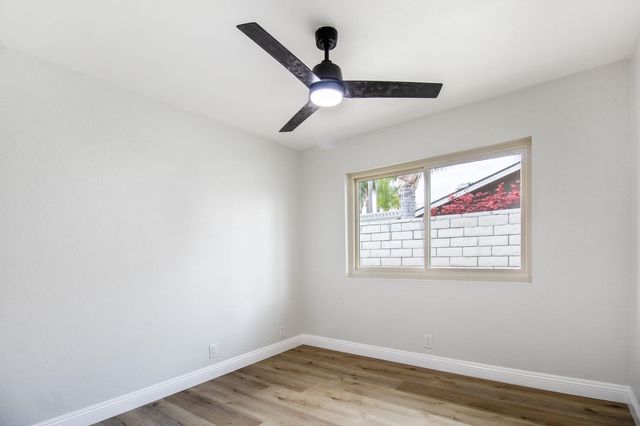
An adjustment changes a comparable sale's price to account for one difference between that house and yours, so the comp reads as if it were your house. Condition is usually the adjustment that matters most: if a comp sold renovated and yours is dated, the comp's price is adjusted down to reflect what buyers in that market paid for the difference. Under Fannie Mae's lender rules, that figure must come from the market's reaction and be explained in the report. A cash buyer handles the same gap differently, by deducting what it expects the repairs and holding costs to be, which is why the two numbers part most at this step.
This page explains how condition becomes an adjustment, what the lender rules require, and how to check the condition lines on any valuation you are handed. It is part of the estimates, CMAs and appraisals hub.
What is an adjustment, in plain terms?
No two houses are the same, so a comp is never used at its raw sale price. Each difference gets its own line: size, lot, location, age, features and condition. Each line asks one question: what would this comp have sold for if it matched the subject on this point? Where the comp is better, its price comes down. Where it is worse, its price goes up. After every line, each comp has an adjusted price, and the value is read from the range those adjusted prices form.
LineComp 1Comp 2Comp 3
Sale price
-
-
-
Time (market change since the contract date)
-
-
-
Location and site
-
-
-
Finished area
-
-
-
Condition
-
-
-
Adjusted price
-
-
-
Adjustments only work on a comp that was the right choice in the first place. How comps are picked, and how the four kinds of valuation pick them differently, is in how comps are chosen, whoever chooses them.
What do the lender rules say about adjustments?
For an appraisal on a loan that may be sold to Fannie Mae, Selling Guide section B4-1.3-09 sets the standard. As read on November 6, 2026, it says:
- The appraiser's adjustments must reflect the market's reaction, meaning they are market based. A rule-of-thumb figure is not appropriate when the market data show something different.
- Fannie Mae has no specific limits or guidelines on net or gross adjustments, and the number or size of the adjustments must not be the only test of whether a comp is acceptable.
- If the adjustments are large enough to suggest the house may not fit its neighborhood, the underwriter must decide whether the value is adequately supported.
- The appraiser must give fact-based, objective comments that detail the work performed and the data sources used. A statement that only says an adjustment was made is not acceptable.
- Time adjustments, or the lack of them, must be supported by evidence and explained.
- The value indicated by the sales comparison approach must fall within the range of the adjusted sale prices.
- Positive adjustments for sales or financing concessions are not acceptable.
Those rules now feed a new report. For loans sold to Fannie Mae or Freddie Mac, the redesigned Uniform Residential Appraisal Report under UAD 3.6 is mandatory for new reports submitted on or after November 2, 2026, and the Guide directs lenders using UAD 3.6 to the UAD 3.6 Policy Supplement.
How condition is rated before it is adjusted
Before condition can be adjusted, it has to be described. Fannie Mae's Selling Guide section B4-1.3-06 says the appraiser must express an opinion about the condition of the improvements, report items that need immediate repair and items where maintenance was deferred, and report minor conditions such as worn carpet or cracked window glass even when they need no repair. The rating is a judgment of the whole house, not raised or lowered for one or two minor areas.
The same section explains why condition decides more than value. It says loans secured by houses rated C6, the lowest condition rating, are not eligible for sale to Fannie Mae, and that such an appraisal must be completed "subject to" repair of the deficient items. Houses rated C1 through C5 may be appraised as is. That section, like the others, points lenders using UAD 3.6 to the Policy Supplement. Freddie Mac's redesign FAQ says the condition and quality rating scale has not changed under UAD 3.6, the definitions were rewritten for clarity, and separate interior and exterior ratings were added, along with update and condition status for components such as kitchens, baths and flooring.
So condition does two jobs at once. It moves the number, through the adjustment. And it can decide whether a financed buyer can buy the house as it sits at all, which is where appraisal gaps on a financed buyer's loan begin.
Why the condition adjustment is not the repair bill
This is the point most sellers miss. An appraiser's condition adjustment measures what buyers in that market actually paid for the difference between a house like the comp and a house like yours. That can be more or less than what the repairs would cost. A dated but sound kitchen may matter less to buyers than its replacement cost suggests. A failing roof or foundation may matter more, because it narrows who can buy and finance the house.
A cash purchase offer comes from an independent buyer or investor who will pay for the work, so it prices the gap from the other side. It usually starts from renovated comps and deducts each repair as a line, then adds the buyer's holding costs, resale costs and margin. Two honest numbers can therefore treat the same worn house very differently: the appraisal asks what the market pays for the difference, and the cash offer asks what closing the difference will cost the buyer. Reading a cash offer's comps, deductions and net shows how those lines should appear.
A CMA sits between the two. An agent may adjust for condition, or may suggest pre-listing repairs so the house competes with the renovated sales. Either way, the condition line should be written, not folded into a range.
What this looks like in Rancho Cucamonga
Rancho Cucamonga shows why a condition adjustment cannot rescue the wrong comp. The city reads like three markets: Alta Loma's older foothill and custom homes, the older Cucamonga core and post-war tracts on the south side, and the newer planned communities such as Victoria, Terra Vista and Etiwanda's northeast tracts, many inside community facilities districts. The city says those districts' special taxes appear as separate line items on the property tax bill, and buyers weigh that annual cost.
- A dated 1970s house in Alta Loma compared with a renovated Alta Loma sale needs a condition adjustment. That is the right comp with one difference to account for.
- The same house compared with a new Etiwanda sale inside a district needs far more than a condition line: age, construction, special tax and market are all different. That is a comp to replace, not adjust.
Local notes for the city are on the Rancho Cucamonga page.
How to check the condition lines you are handed
- What condition was each comp in when it sold, and how do you know: photos, a listing, a visit?
- What is the condition adjustment on each comp, and what market evidence supports it?
- Is any repair counted twice, once in a low comp and again as a deduction?
- Would this condition stop a financed buyer's lender from accepting the house as is?
- For a cash offer: which repairs are deducted, and how was each figure reached?
When listing nets more
When the condition items are cosmetic, the house would be eligible for a financed buyer's loan as it sits, and you have time to market it, the condition adjustment the market applies can be smaller than the repair lines a cash buyer deducts, and listing usually nets more. A cash sale fits better when the condition would stop financing, when the repairs are large or uncertain, or when the time and money to fix the house are not there. The only fair test is both routes on paper, at the net.
The home value page starts that: one in-person walkthrough, then an as-is cash offer and an open-market read on the same sheet, with comps, condition notes and deductions written out. The open-market read is a preliminary estimate, not an appraisal, and Mr. Cali Offers never offers appraisals. There is no cost and no obligation to get the two numbers and the written report. Or call (909) 498-3977. The four different numbers guide places each kind of valuation side by side.
Sources
- Fannie Mae Selling Guide B4-1.3-09, Adjustments to Comparable Sales: selling-guide.fanniemae.com (accessed November 6, 2026)
- Fannie Mae Selling Guide B4-1.3-06, Property Condition and Quality of Construction of the Improvements: selling-guide.fanniemae.com (accessed November 6, 2026)
- Freddie Mac, UAD and Forms Redesign FAQs (UAD 3.6 mandatory date; condition and quality ratings): sf.freddiemac.com (accessed November 6, 2026)
- City of Rancho Cucamonga, Special Districts (community facilities district special taxes on the property tax bill): cityofrc.us (accessed November 6, 2026)
Cash offers come from independent buyers and investors who buy for their own account and may resell for profit; a cash offer is generally below what the open market would bring. Any value shown is a preliminary estimate, not an appraisal. Nothing here is legal, tax or financial advice.
Frequently asked questions
What is a condition adjustment in an appraisal?
It is a change to a comparable sale's price for the difference between that comp's condition when it sold and the subject house's condition. If the comp was in better condition, its price is adjusted down. Under Fannie Mae's rules the figure must reflect the market's reaction and be explained with data sources.
Is a condition adjustment the same as the cost of repairs?
No. An appraiser's adjustment measures what buyers in that market paid for the difference in condition, which can be more or less than the repair cost. A cash buyer, who will pay for the work, usually deducts the repair cost itself plus holding costs, resale costs and its margin.
Does Fannie Mae limit how large adjustments can be?
Fannie Mae's Selling Guide says it has no specific limits or guidelines on net or gross adjustments, and that the number or size of adjustments must not be the only test of a comp. If adjustments suggest the house does not fit its neighborhood, the underwriter must decide whether the value is supported.
Can a house in poor condition be appraised as is?
Fannie Mae's Selling Guide section B4-1.3-06 says houses rated C1 through C5 may be appraised as is, while a loan on a house rated C6 is not eligible for sale to Fannie Mae and the appraisal must be completed subject to repairs. Lenders using UAD 3.6 follow the UAD 3.6 Policy Supplement, so a lender confirms what applies.
Written by
Anthony Grynchal
Anthony Grynchal is a California real estate salesperson with eXp Realty, licensed since November 2009 (CA DRE #01873626), and the owner of Mr. Cali Offers.
More about AnthonyPublished