A comparative market analysis, or CMA, is a licensed real estate agent's written opinion of the price a house is likely to sell for on the open market. A complete one includes the facts of your house, recent closed sales of similar houses nearby, what is pending and what is listed now, an adjustment for each difference between those houses and yours, and a suggested price range with the reasoning behind it. It is used to set a list price. It is not an appraisal, and California law says it may not be called one.
This article goes through each section a CMA should contain, what to check in it, and where a CMA stops. It is part of the estimates, CMAs and appraisals hub; the four different numbers guide places the CMA next to an automated estimate, a certified appraisal and a cash purchase offer.
What is a comparative market analysis, legally?
Under California Business and Professions Code section 11302, an appraisal is the act or process of developing an opinion of value for real property. The same section says the term does not include an opinion given by a real estate licensee in the ordinary course of business, and that such an opinion shall not be referred to as an appraisal. A CMA is exactly that kind of opinion.
Two practical things follow. A CMA cannot stand in for a certified appraisal when a lender, a probate court or a tax return needs one. And any value an agent or a buyer hands you outside an appraisal report should be labeled as an estimate. On this site, the open-market read is always called a preliminary estimate, not an appraisal, for that reason.
The sections a CMA should include
SectionWhat it showsWhat to check
Subject property
Your house: lot, living area, beds, baths, year built, upgrades, condition
Is the condition yours, or assumed? Is converted or unpermitted space counted as living area?
Closed sales
Recent sold houses that compete with yours
Distance, sale date, same kind of property, same condition level
Pending sales
Houses under contract, price not yet public
Shows where the market is heading; price is the list price, not the final one
Active listings
Your competition today
What a buyer will compare your house with when it goes live
Expired and withdrawn listings
Houses that did not sell
Where the ceiling is, and what overpricing looks like nearby
Adjustments
A plus or minus for each difference between a comp and your house
Is every adjustment written, or is the range just an average?
Price range and reasoning
The suggested list price
Which comps carried the most weight, and why
A CMA that skips the adjustments and simply averages nearby sales is closer to an automated estimate with a signature on it. The adjustments are where the agent's knowledge of your blocks shows.
How should the comparable sales be chosen?
No statute tells an agent how to pick comps for a CMA, but the lender standard for appraisals is a good benchmark, because it is the test the buyer's appraisal will face later. Fannie Mae's Selling Guide says comparable sales should share the subject's physical and legal characteristics, including site, room count, finished area, style and condition, and should come from the same market area where possible, meaning the area where most of the buyers and the competition for that house are. It expects sales that closed within the last 12 months, and a minimum of three closed comparables in an appraisal.
Local examples show why "nearby" is not enough:
- Claremont. A Craftsman bungalow in Claremont Village, listed or eligible for the city's historic register, and a South Claremont townhouse share a ZIP code and very little else. Register status and the city's preservation review change what a buyer can do with the Village house.
- San Dimas. A lot inside the private horse overlay zone, with a barn and corrals, should be compared with other equestrian parcels. A tract-house comp a few blocks away misses the zoning entirely.
- Rancho Cucamonga. Two same-size houses in Etiwanda can carry different annual costs if one sits inside a community facilities district. Buyers price the special tax in, so a comp outside the district needs an adjustment or a replacement.
When a house has few true comps, as in Pomona's Hacienda Park Historic District, where eras range from adobes to mid-century modern, the CMA should say so and explain each comp it used anyway.
What does a CMA leave out?
A CMA answers one question: what this house is likely to list and sell for. It usually leaves out four things a seller needs for a decision:
- Condition the agent did not see. If the CMA was prepared from records and photos, it assumes systems and finishes. A Village bungalow with original knob-and-tube circuits and galvanized plumbing does not compete with a renovated one.
- The cost of getting ready. Repairs, clean-out, staging and the months of carrying costs while listed are the seller's.
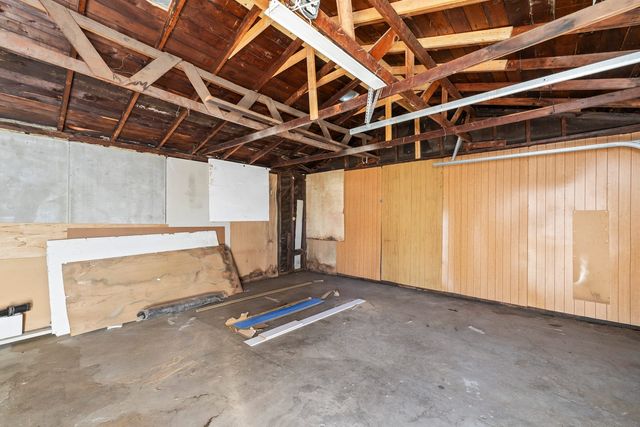
- The financed buyer's appraisal. A CMA can count a converted garage as living area; a lender's appraiser often cannot. That gap is where many financed sales stall.
- The net. A price is not what reaches you. Commissions, closing costs, the county documentary transfer tax and, in Pomona, the city transfer tax on top of it, come out first.
How an open-market read differs from a CMA
The open-market read Mr. Cali Offers writes is built the way a careful CMA is built: comparable sales from the seller's own part of the city, each with a line saying why it compares, and written adjustments. It differs in three ways. It is made after an in-person walkthrough, so condition is observed rather than assumed. It sits on the same sheet as an as-is cash offer on the same house. And it ends in a net, after commissions, preparation and carrying costs, so the two columns can be compared line for line. It is a preliminary estimate, not an appraisal.
LineOpen-market readAs-is cash offer
Starting value from comps
-
-
Repairs and preparation
-
-
Carrying and selling costs
-
-
Estimated net to seller
-
-
When the open-market column nets more and the seller has time, the written recommendation says to list, and the seller is introduced to a designated local expert, an independently licensed agent who works that neighborhood. Listing tends to win when the house shows reasonably well and nothing on it will trip a financed buyer's appraisal.
Questions to ask the agent about a CMA
- Which three comps carried the most weight, and why each one?
- Did you see the house, or work from photos and records?
- Is any converted, enclosed or unpermitted space counted as living area?
- Which adjustments did you make for condition, lot and location, and how large?
- What is pending right now that could change this range?
- What did similar houses that failed to sell have in common?
An agent who answers these on paper has given you a usable CMA. One who cannot is giving you an opinion with no work shown.
Is a CMA enough for my situation?
It is enough for deciding a list price. It is not enough for a probate court, a lender, a divorce settlement or a tax basis question, which usually call for a certified appraisal; Mr. Cali Offers never offers those and refers them to Mr. Cali Appraisals, a separate appraisal practice. The guide to which home value you need maps each job to its number, and what your house will sell for vs. what it is worth explains why the CMA's price and your net are different figures.
If you want the comps, the deductions and the net on your own house, the home value page takes the address. There is no cost and no obligation to get the two numbers and the written report. Or call (909) 498-3977. Local notes for each city are on the Claremont, San Dimas, Rancho Cucamonga and Pomona pages.
Sources
- California Business and Professions Code section 11302 (definition of appraisal; real estate licensee opinions excluded): leginfo.legislature.ca.gov (accessed October 31, 2026)
- Fannie Mae Selling Guide B4-1.3-08, Comparable Sales: selling-guide.fanniemae.com (accessed October 31, 2026)
- City of San Dimas Municipal Code Chapter 18.112, P-H Private Horse Overlay Zone: ecode360.com (accessed September 26, 2026)
- California Civil Code section 1102.6b (special tax disclosure): leginfo.legislature.ca.gov (accessed September 26, 2026)
- City of Pomona, Historic Preservation: pomonaca.gov (accessed September 26, 2026)
- Los Angeles County Registrar-Recorder, Documentary Transfer Tax general information: lavote.gov (accessed September 26, 2026)
Cash offers come from independent buyers and investors who buy for their own account and may resell for profit; a cash offer is generally below what the open market would bring. Any value shown is a preliminary estimate, not an appraisal. Nothing here is legal, tax or financial advice.
Frequently asked questions
What is a comparative market analysis?
A comparative market analysis, or CMA, is a licensed real estate agent's opinion of the price a house is likely to sell for, built from recent closed sales of similar houses nearby plus pending and active listings, with adjustments for each difference. Agents use it to set a list price.
Is a CMA the same as an appraisal?
No. California Business and Professions Code section 11302 excludes a real estate licensee's opinion of value from the definition of an appraisal and says it shall not be called one. Lenders, probate courts and tax matters usually need a certified appraisal from a state-licensed appraiser.
How many comparable sales should a CMA use?
No law sets a number for a CMA. A useful benchmark is the lender standard: Fannie Mae requires at least three closed comparable sales in an appraisal, preferably closed within the last 12 months and from the same market area, with similar site, size, style and condition.
Why can a CMA come in higher than a cash offer on the same house?
A CMA estimates a listed sale price and usually leaves out repairs, preparation, carrying costs and commissions. A cash offer prices the house as it sits and deducts the buyer's repairs, costs and margin. Comparing the two only makes sense at the net, line by line.
Written by
Anthony Grynchal
Anthony Grynchal is a California real estate salesperson with eXp Realty, licensed since November 2009 (CA DRE #01873626), and the owner of Mr. Cali Offers.
More about AnthonyPublished