What your house is worth and what it will sell for are two different questions. "Worth" in the formal sense is market value: the most probable price in a competitive open market, with informed parties, normal financing and a reasonable time on the market. "Sell for" is one real sale, under your actual conditions: the house as it is today, your timeline, the buyers who can finance it and the terms you accept. And what you take home is a third figure again, the net after costs.
The two can sit close together for a well-kept house with time to market, and far apart for a house that needs work, has unpermitted space or has to close around a court date. This article explains where the gap comes from and how to read it. It belongs to the estimates, CMAs and appraisals hub.
What does "worth" mean, precisely?
The standard definition is written into federal regulation: the appraisal rules for national banks, 12 CFR 34.42, say market value is "the most probable price which a property should bring in a competitive and open market under all conditions requisite to a fair sale, the buyer and seller each acting prudently and knowledgeably, and assuming the price is not affected by undue stimulus." The same definition assumes typically motivated parties, both well informed, a reasonable time of exposure on the open market, payment in cash or comparable financing, and no special financing or concessions.
Every one of those conditions is an assumption about the sale, not about the house. That is the point. Market value describes what the house would bring if the sale were textbook. A certified appraisal estimates it as of a date, for a stated use; it is prepared by a state-licensed appraiser, and Mr. Cali Offers does not perform appraisals. When one is needed, the referral goes to Mr. Cali Appraisals, a separate appraisal practice.
What will my house sell for?
A sale price is what happens when those assumptions meet your situation. Four things move it away from market value:
- Time on the market. The definition assumes reasonable exposure. A seller who has to close around a probate hearing, a relocation or a trustee sale date may not have it.
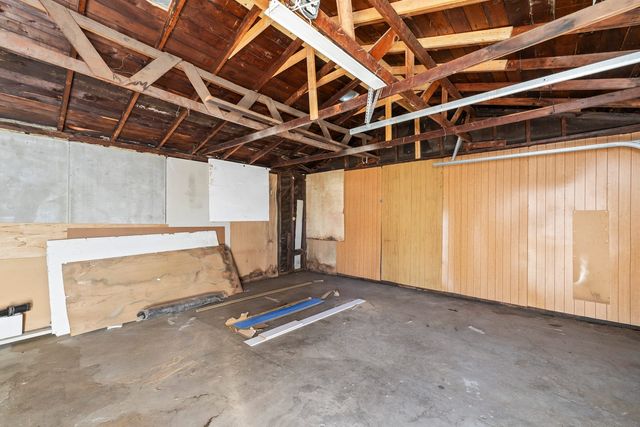
- Condition and the buyer's loan. Most buyers finance, and their lender's appraiser has to support the price. Unpermitted living area is the most common snag: in South Pomona's post-war tracts, converted garages and back units routinely shorten appraisals for FHA buyers, which shrinks the pool of buyers who can close. The converted garage article shows how that plays out.
- Who the buyers are. A house that only investors will buy, because of repairs, contents or tenants, sells to a smaller pool that prices in its own costs. A Pomona rental under the city's rent stabilization and eviction control ordinance prices differently with the tenant in place than vacant.
- Terms. Credits for repairs found on inspection, a rent-back, a long escrow or a seller concession all change the real price even when the contract number looks the same.
Local rules shift the buyer's math too. Much of Claremont's northern foothills, including Claraboya, sits in mapped fire hazard severity zones, which affects insurance and brush clearance for the buyer. In Rancho Cucamonga, a house inside a community facilities district carries a special tax that buyers price in and that the seller must disclose.
Worth, sell for and net, side by side
What it is worthWhat it will sell forWhat you net
Question it answers
Most probable price under textbook conditions
Price on your timeline, condition and terms
What reaches you at closing
Who estimates it
A certified appraiser
An agent's CMA, or a buyer's written offer
The seller's own net sheet
Assumes repairs are done?
Depends on the appraisal's stated condition
Only if you do them
Repairs you pay come out
Figure on your house
-
-
-
The right-hand column is the one that decides. A higher sale price can still produce a lower net once repairs, commissions, months of carrying costs and the transfer tax are counted. In Pomona that tax includes a city documentary transfer tax on top of the Los Angeles County tax.
Why does my online estimate say something else?
An automated estimate is neither number. It is a statistical figure from records and nearby sales, made without seeing the house, and Zillow's own Zestimate page states that its figure is not an appraisal. It does not know whether your kitchen is original or whether the back bedroom was once the garage. Treat it as a starting range. The four different numbers guide sets the estimate, the CMA, the appraisal and the cash purchase offer side by side.
How do I estimate what my house will actually sell for?
Start with a CMA or an open-market read built from closed sales that genuinely compete with your house: same part of town, similar size, style and condition, recent. Then test it against your own conditions:
- Will a financed buyer's appraisal support this price, given the house as it is?
- What repairs will an inspection likely turn up, and will you make them or credit them?
- How long can you carry the house while it is listed, and what does each month cost?
- Are there tenants, contents or a court date that limit who can buy and when?
What a comparative market analysis includes shows what a complete one contains, and the guide to which home value you need covers the cases where an appraisal, not a sale estimate, is the right number.
When the open market nets more, and when cash fits
When the house is in reasonable condition, nothing on it will trip a financed buyer's appraisal, and you have time, listing usually brings a sale price close to market value and a higher net than a cash offer. In that case the written recommendation says to list, and you are introduced to a designated local expert, an independently licensed agent who works that neighborhood. When we tell a seller to list instead describes those cases.
A cash purchase offer fits when the gap between worth and sell for is already wide: heavy repairs, unpermitted space a lender will not accept, a full house, or a date set by someone else. Cash offers come from independent buyers and investors who carry the repairs and the risk for their own account, so a cash offer is generally below what the open market would bring. What it removes is the preparation, the financing contingency and the months on market. Only the two nets, side by side, tell you which path pays more for your house.
What this looks like in practice
These are the kinds of files that come in, described without names or figures.
- A South Pomona owner whose listed house fell out of escrow when an FHA appraisal did not count the converted garage. The question became the net on each path, not the list price.
- A Claremont foothill seller with a strong comp set but a buyer pool narrowed by insurance in a fire hazard zone, who needed the sale estimate to reflect that.
- A Rancho Cucamonga owner comparing a neighbor's sale price without knowing one house sat inside a community facilities district and the other did not.
Two numbers on your house
The home value page takes the address. Mr. Cali Offers then does one in-person walkthrough and writes an as-is cash offer and an open-market read on the same house, each with the comparable sales, the line-item deductions and the net. The open-market read is a preliminary estimate, not an appraisal. There is no cost and no obligation to get the two numbers and the written report. Questions: (909) 498-3977. City notes are on the Pomona, Claremont and Rancho Cucamonga pages.
Sources
- 12 CFR 34.42, Definitions (market value), Office of the Comptroller of the Currency appraisal rules: ecfr.gov (accessed October 31, 2026)
- California Business and Professions Code section 11302 (definition of appraisal): leginfo.legislature.ca.gov (accessed October 31, 2026)
- Zillow, What is a Zestimate: zillow.com (accessed September 26, 2026)
- City of Pomona, Rent Stabilization Program: pomonaca.gov (accessed September 26, 2026)
- Los Angeles County Registrar-Recorder, Documentary Transfer Tax general information: lavote.gov (accessed September 26, 2026)
- Office of the State Fire Marshal, Fire Hazard Severity Zones: osfm.fire.ca.gov (accessed September 26, 2026)
- California Civil Code section 1102.6b (special tax disclosure): leginfo.legislature.ca.gov (accessed September 26, 2026)
Mr. Cali Offers does not perform appraisals; certified appraisals are referred to Mr. Cali Appraisals, a separate business. Cash offers come from independent buyers and investors who buy for their own account and may resell for profit; a cash offer is generally below what the open market would bring. Any value shown is a preliminary estimate, not an appraisal. Nothing here is legal, tax or financial advice.
Frequently asked questions
What is the difference between what my house is worth and what it will sell for?
Worth, in the formal sense, is market value: the most probable price in a competitive open market with informed parties, normal financing and reasonable time on the market, as defined in 12 CFR 34.42. What it will sell for is one real sale under your conditions: the house as it is, your timeline, the buyers who can finance it and the terms you accept.
Why would my house sell for less than it is worth?
Usually because one of market value's assumptions does not hold: there is no time for full market exposure, repairs or unpermitted space stop a financed buyer's appraisal, only investors can buy it, or the terms include credits and concessions. Each of those lowers the price a real buyer will pay.
Is an online home value estimate what my house will sell for?
No. An automated estimate is a statistical figure built from records and nearby sales without anyone seeing the house. It does not know the condition, the permits or your timeline, so treat it as a starting range rather than a sale price or an appraisal.
What matters more, the sale price or the net?
The net. A higher sale price can produce less money at closing once repairs, commissions, carrying costs and transfer tax come out. Comparing two paths, such as listing and a cash offer, only makes sense when each is shown as a net, line by line.
Written by
Anthony Grynchal
Anthony Grynchal is a California real estate salesperson with eXp Realty, licensed since November 2009 (CA DRE #01873626), and the owner of Mr. Cali Offers.
More about AnthonyPublished