An as-is listing attracts only investors when something about the house or the listing rules out the buyers who need a loan or want a home they can move into: a condition a lender will not finance, listing terms that ask for cash only, or photos and copy that read as a project. With no owner-occupants bidding, the price is set by investor math, the value after repairs minus repairs, holding costs, resale costs and a margin, and the contracts tend to carry long inspection periods, small deposits and assignment clauses. Sometimes the fix is a specific repair or a rewritten listing that brings financed buyers back; sometimes the investor offers are the market, and the job is to compare them properly.
This guide covers why owner-occupants drop out, what investor-only demand does to price and terms, how to tell which cause applies to your listing, and when the open market can still net more.
Why owner-occupant buyers drop out
Owner-occupants are often the buyers who pay the most for a house, because they are buying a place to live, not a margin. An as-is listing loses them for a handful of reasons, often more than one at once.
The condition will not finance
A buyer with a loan is only as good as the lender's appraisal. Under Fannie Mae's Selling Guide, houses rated C1 through C5 are eligible in as-is condition, but a C6 rating, for deficiencies "severe enough to affect the safety, soundness, or structural integrity of the improvements," makes the loan ineligible for sale to Fannie Mae until the deficient items are repaired. If any portion of the dwelling is rated C6, the whole dwelling is. A buyer's agent who sees that risk in the photos can steer a financed buyer away, and one who misses it finds out in escrow. The details are in as-is and appraisals: when lenders balk.
The listing says "cash only"
A listing that asks for cash, or describes the house as an investor special or a fixer, tells financed buyers not to bother, even when the house would rate C5 and could carry a loan. Some sellers write that to avoid a failed escrow. It works, and it also removes the buyers who would have competed hardest.
The house reads as a project
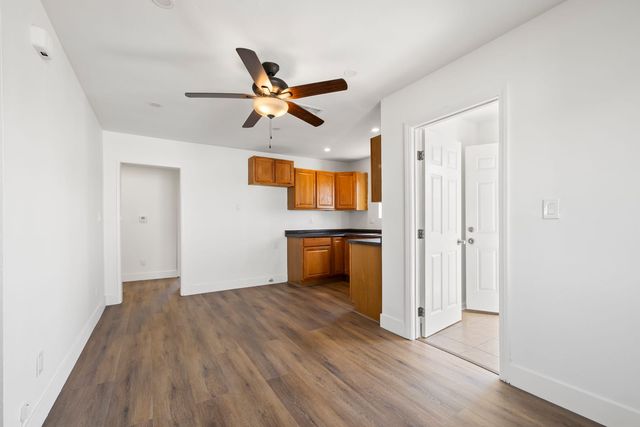
Photos of an unfinished remodel, a full house of belongings or a yard that needs work signal a project to owner-occupants who want to move in. A buyer stretching to make a down payment may have nothing left for a roof or a kitchen, whatever the lender allows.
Someone else lives there
A house sold with a tenant in place goes to buyers who are willing to take on the lease, and those are often investors. Occupied vs. vacant: pricing the same rental two ways compares the two routes.
What investor-only demand does to the price
An investor's offer is built backward from the resale. It starts from what the house should sell for after repairs, based on comparable sales of renovated houses, and works down: repairs, holding costs while the work is done, the costs of selling again, and the buyer's margin for the risk. Investors buy for their own account and many resell for profit, which is why a cash offer is generally below what the open market would bring. The line-by-line version is in reading a cash offer: comps, deductions and the net.
When only investors are bidding, the listing price stops being the anchor. Each offer is the same formula with different repair estimates and margins, so the spread between investor offers is often about how each buyer priced the work, not about how much each one wants the house.
What it does to the terms
The price is not the only thing that changes. Investor contracts on as-is listings often include:
- A long inspection or due-diligence period with an easy exit, which leaves room to lower the price later. See price cuts after inspection: how they happen.
- An assignment clause, which lets the buyer sell your contract to someone else before closing. Wholesaling explained for sellers covers what that means.
- A small deposit, which makes walking away cheap for the buyer.
- Proof of funds that does not match the buyer's name. Check it as described in how to verify proof of funds from a cash buyer.
Owner-occupant marketInvestor-only market
What sets the price
Competition among buyers who want to live there
After-repair value minus repairs, costs and margin
Financing
Usually a loan, subject to the lender's appraisal
Cash or private money
Condition
Must finance, or the escrow stalls
Priced in, line by line
Contract risks to read
Loan and appraisal contingencies
Inspection period, assignment, deposit size
Disclosures
Owed
Owed
That last row holds in both markets. Civil Code section 1102 applies California's transfer disclosure rules to sales of single-family residential property and says any waiver of them is void as against public policy, so an investor buyer and an as-is clause do not change what you owe. See the Transfer Disclosure Statement for as-is sellers.
How to tell which cause applies to your listing
Before cutting the price or accepting the best investor offer, look at the evidence the listing has already produced:
- Did financed offers come in and fail at the appraisal or the loan, or did none come in at all?
- Does the listing text say cash only, investor special or no financing?
- Were the showings mostly contractors and investors walking with a tape measure?
- Is there one specific item, such as a roof, a structural problem or a safety hazard, that every inspection report mentions?
- Is the house occupied, or full of belongings, in the photos?
The answers point to different fixes. A single financeable-if-repaired item points to the repair. Listing language points to rewriting the listing. A house that needs everything points to the investor market being the real one.
The era of the house is part of the answer
Across Los Angeles, San Bernardino and Riverside counties, the reason a listing draws only investors tends to follow the era of the house. A pre-war house near Euclid Avenue in Upland or a bungalow near the Village in Claremont may need systems work a buyer cannot finance around. A post-war tract house south of Holt Avenue in Pomona with a converted garage or a back unit may be fine to finance but priced on legal square footage the buyer did not expect. A 1960s-1980s hillside house in Phillips Ranch, also in Pomona, carries slope and, in some tracts, HOA dues that change who is buying. Each needs a different fix, which is why the diagnosis comes first.
When the open market can still net more
An investor-only listing is not proof that investors are the only buyers. Reworking the listing usually nets more when:
- one specific, fixable item stands between the house and a financeable rating, and you can fund and finish it before relisting;
- the listing language, not the condition, is what turned financed buyers away;
- the location, schools or lot would draw several owner-occupants if they could buy it with a loan;
- you have the time to repair, relist and wait for a financed escrow.
When the open-market column on the written report comes out higher and the timing works, the recommendation says so, and you are introduced to a designated local expert, an independently licensed California agent who works your neighborhood. Mr. Cali Offers never lists a house.
When investor offers are the market
If the house needs more than an owner-occupant can take on, the investor offers are the market, and the question becomes which offer is best on price and on terms. Compare them on the same sheet: comps, each deduction, the net and the contract terms side by side. Selling to an investor vs. an owner-occupant covers the trade-offs, and the as-is pillar explains what an as-is buyer takes on.
What this looks like in practice
These are the kinds of files that come in, described without names or figures.
- A seller whose as-is listing drew only investor offers, all with long inspection periods, who wanted one written offer with the deductions shown to compare them against.
- An executor who listed "cash only" to avoid a failed escrow and wanted to know whether the house would have financed.
- An owner holding an investor offer with an assignment clause who wanted to know what the house would net with the main repair done first.
The as-is sales hub has the rest of this series.
Next step
If your listing is drawing only investors, get both numbers on the house as it is or call (909) 498-3977. There is no cost and no obligation to get the two numbers and the written report.
Sources
- Fannie Mae Selling Guide, B4-1.3-06, Property Condition and Quality of Construction of the Improvements: selling-guide.fanniemae.com (accessed November 6, 2026)
- California Civil Code section 1102 (transfers the disclosure article covers; waivers void as against public policy), copy read on california.public.law, accessed November 6, 2026
Mr. Cali Offers is not a law firm or a lender and does not represent sellers as an agent. Cash offers come from independent buyers and investors who buy for their own account and may resell for profit; a cash offer is generally below what the open market would bring. Any value shown is a preliminary estimate, not an appraisal. Nothing here is legal, tax or financial advice.
Frequently asked questions
Why is my as-is house only getting investor offers?
Usually because something rules out buyers who need a loan or want a move-in house: a condition the lender will not finance, listing language such as cash only or investor special, photos that read as a project, or a tenant in place. Each cause has a different fix, so check which one applies before cutting the price.
Are investor offers on an as-is listing always lower?
A cash offer is generally below what the open market would bring, because investors price from the value after repairs and subtract repairs, holding costs, resale costs and a margin. When only investors bid, there is no owner-occupant competition to push the price up, so the offers tend to cluster around that formula.
Can I get financed buyers back after an as-is listing draws only investors?
Often, if the cause is specific. Rewriting listing language that asked for cash only, or completing one item that would keep a lender from financing the house, can bring owner-occupant buyers back. Under Fannie Mae's Selling Guide, houses rated C1 through C5 are eligible in as-is condition; a C6 rating is the one that must be repaired first.
What contract terms should I watch for in investor offers?
Read the inspection or due-diligence period and how easily the buyer can cancel or renegotiate during it, any assignment clause, the deposit amount and who holds it, and whether the proof of funds is in the buyer's own name. Those terms decide whether the price on the first page is the price at closing.
Written by
Anthony Grynchal
Anthony Grynchal is a California real estate salesperson with eXp Realty, licensed since November 2009 (CA DRE #01873626), and the owner of Mr. Cali Offers.
More about AnthonyPublished